DesignED

Designing a continuous growth platform for modern designers.

DesignED Walkthrough.
Role Product Designer
Timeline 10 Weeks
Tools Figma, FigJam

Overview

A learning ecosystem for active practice, faster feedback, and long-term design growth.

What I designed: Over 10 weeks, over 2 quarters, I designed DesignED as a connected learning ecosystem with interactive challenges, first-pass AI critique, community spaces, mentor discovery, and a searchable resource hub.

My journey into UX design did not begin in a traditional design program. I transitioned from a political science background and learned much of UX independently through tutorials, design challenges, mentorship, communities, and personal projects.

While learning, I realized the challenge was not finding resources. Tutorials were everywhere, experienced designers were willing to help, and communities were easy to join.

The challenge was maintaining momentum.

The periods where I improved the fastest were when several things came together at once: consistent practice, timely feedback, repeated iteration, and exposure to other designers. However, these experiences often existed across separate platforms and disconnected workflows.

This observation became the foundation for DesignED.

DesignED is a platform that explores how structured practice, AI-assisted feedback, mentorship, community learning, and curated resources can work together to support continuous growth throughout a designer's career.

Problem

Learning design is often fragmented.

A designer might watch tutorials on one platform, complete challenges somewhere else, seek critique through community groups, schedule mentorship independently, and search for resources across multiple websites.

While each of these experiences provides value individually, they rarely work together as part of a connected learning journey.

As a result, learners often struggle with:

  • Inconsistent practice.
  • Delayed feedback.
  • Unclear progress.
  • Reduced motivation.
  • Lost learning momentum.

This challenge extends beyond beginners.

As AI workflows, accessibility standards, tools, and industry expectations continue evolving, designers at every stage of their careers must continuously adapt and develop new skills.

Design Challenge

How might we create a learning ecosystem that helps designers continuously practice, receive feedback, improve, and grow throughout their careers?

Research

Understanding modern design learning.

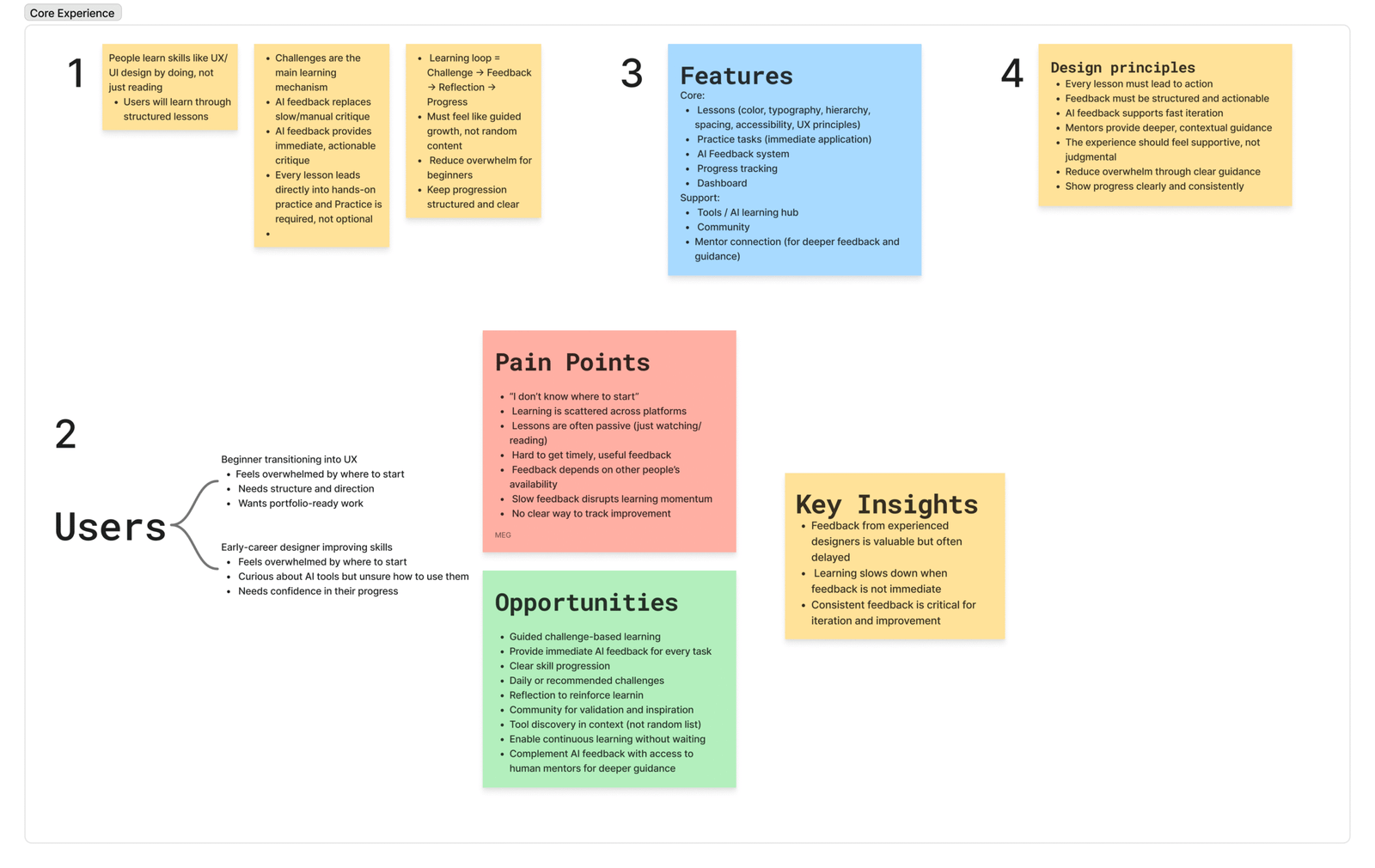
To better understand the problem space, I explored design education through competitive analysis, conversations with designers, mentorship experiences, existing learning platforms, and observations from my own transition into UX.

Several themes emerged repeatedly.

Practice creates confidence

Designers improved faster when actively applying concepts rather than passively consuming content. Repeated exposure to design problems strengthened confidence, visual thinking, and decision-making.

Feedback timing impacts growth

Long delays between critiques often interrupted momentum and reduced opportunities for iteration. Many learners benefited most when feedback arrived while they were still actively working on a problem.

Community accelerates learning

Peer interaction created accountability, encouragement, and exposure to different perspectives. Learning often became more sustainable when it happened alongside others.

Learning never stops

The rapid evolution of AI-assisted workflows, accessibility expectations, and emerging technologies means that professional growth continues long after entering the industry.

DesignED research stickies and synthesis notes
Research synthesis and problem-space notes.

Opportunity

Connecting the learning experience.

Most existing platforms focus on one part of the learning experience.

Some provide educational content. Others provide mentorship. Others focus on challenges or community.

I saw an opportunity to explore how these experiences could work together within a single ecosystem designed around continuous growth.

Rather than creating another course platform, I wanted to design a system that supports practice, feedback, mentorship, collaboration, and ongoing development as part of one connected experience.

Early Explorations

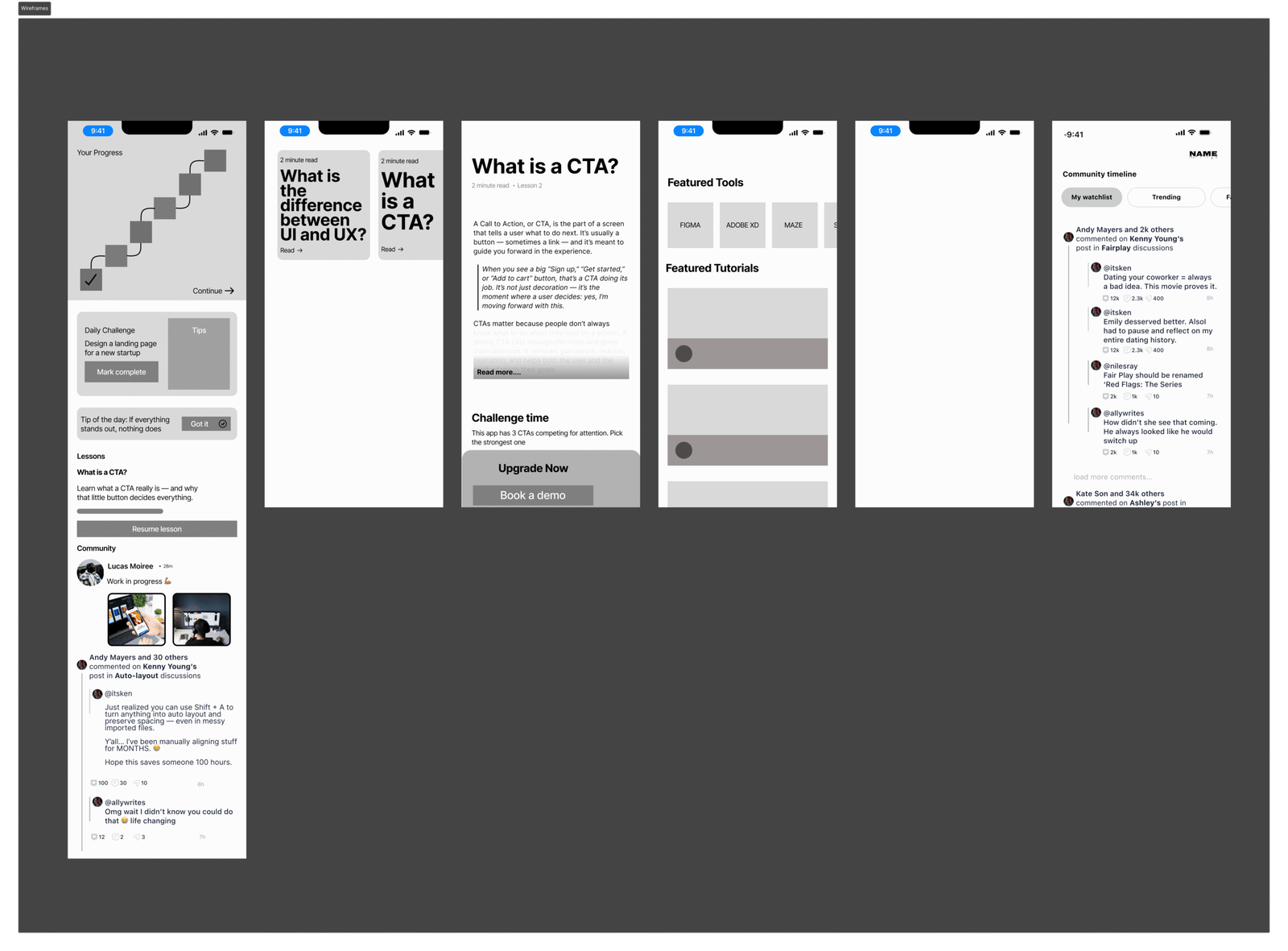
Low-fidelity wireframes helped shape the product structure before visual refinement.

Before moving into high-fidelity design, I explored the core flows through low-fidelity wireframes focused on onboarding, challenge discovery, feedback review, mentorship, community, and resource browsing.

DesignED low-fidelity wireframes
Low-fidelity wireframes exploring the platform structure.

Designing a Continuous Learning Loop

Growth happens through a continuous cycle.

One of the most important insights from this project was realizing that meaningful growth rarely happens through content consumption alone.

Designers improve through a continuous cycle of practicing, receiving feedback, reflecting, iterating, learning from others, and applying those lessons again.

This idea became the foundation for DesignED.

Practice → Feedback → Iteration → Community → Mentorship → Practice Again

Rather than designing isolated features, I focused on creating experiences that support each stage of this cycle.

Deeper process Feature decisions, responsible-AI considerations, iteration evidence, and the design system.

Solution

Five connected experiences support continuous learning and professional growth.

Feature 01

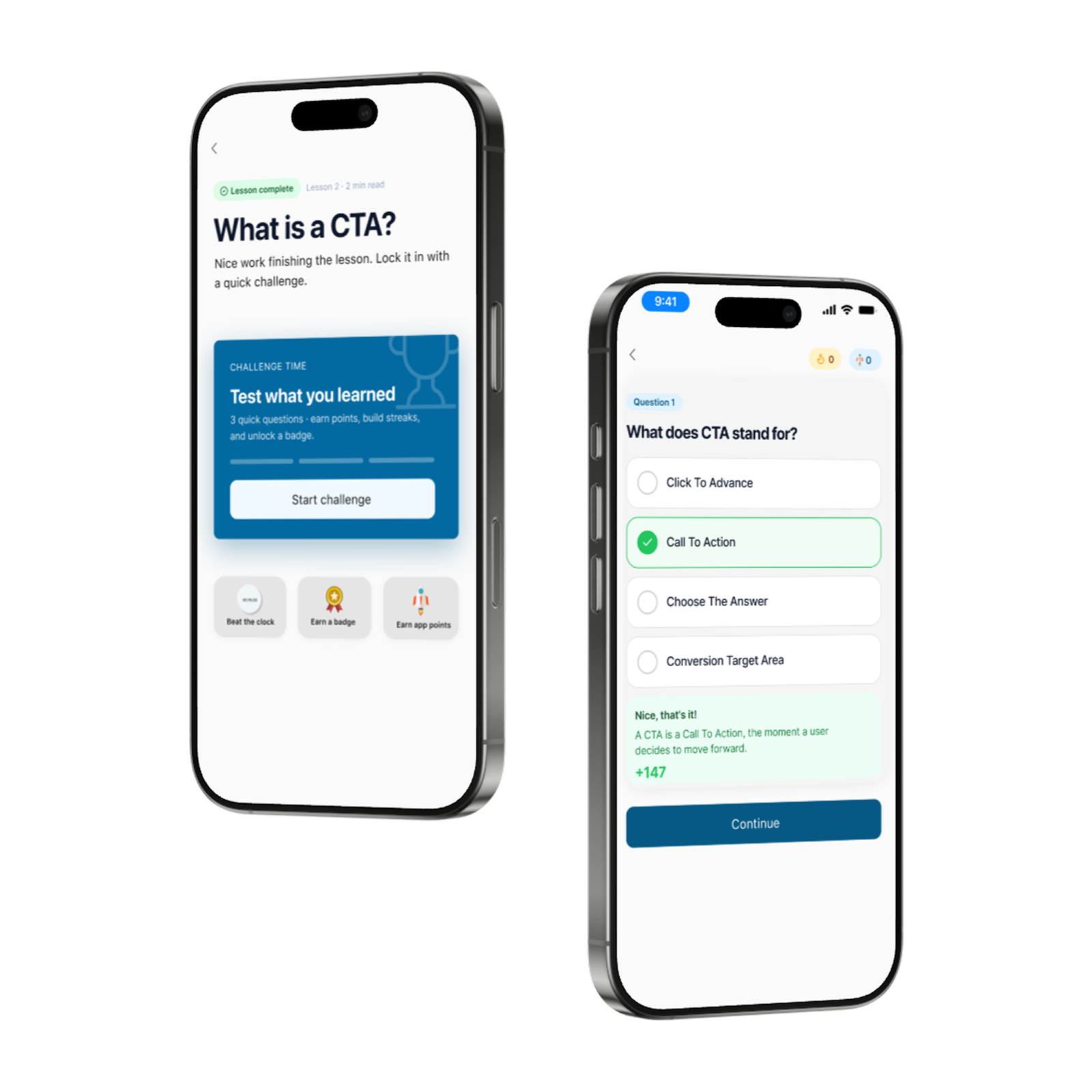
Interactive Challenges

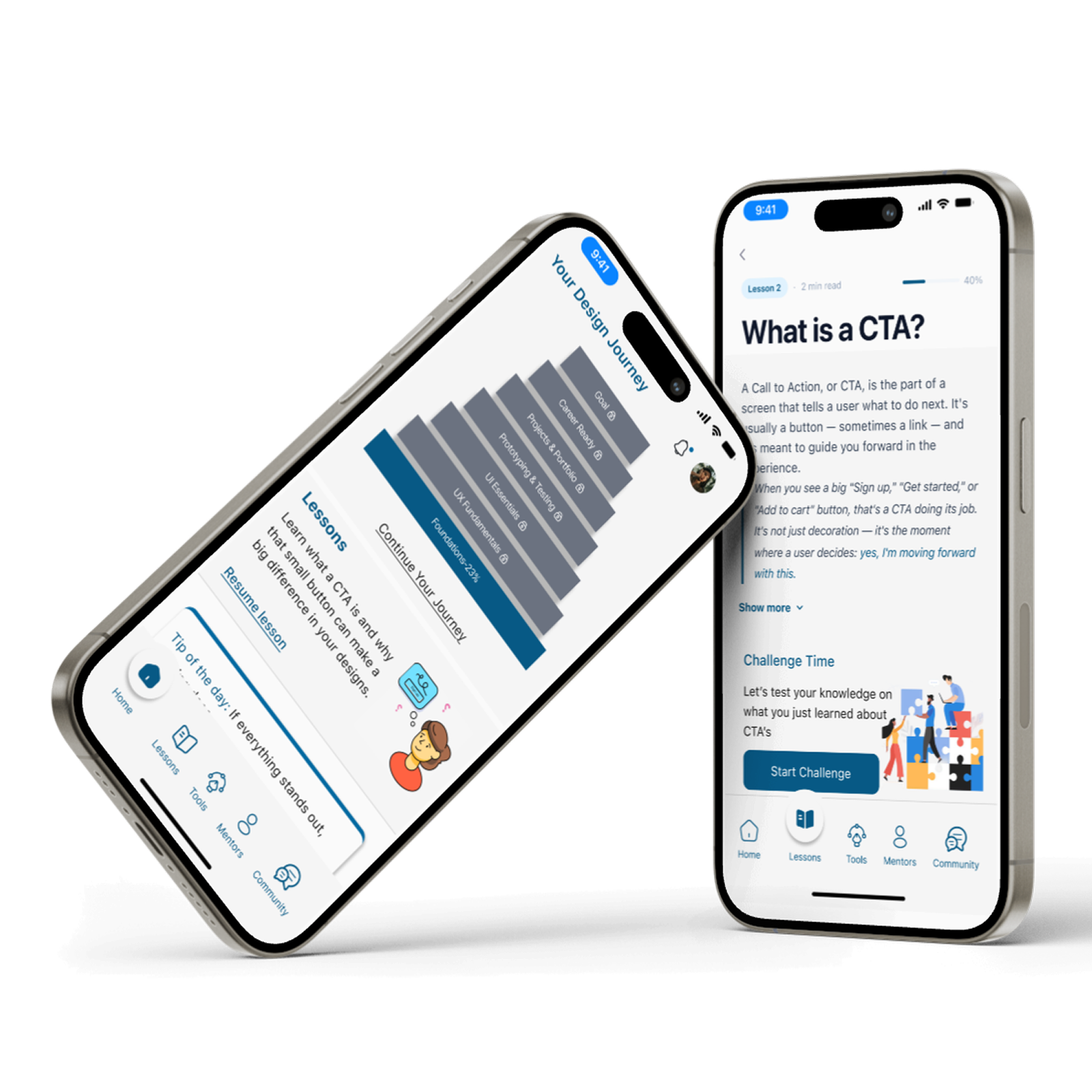
Structured practice played a major role in accelerating my own growth as a designer.

DesignED encourages active learning through design challenges, guided exercises, real-world scenarios, and applied problem-solving activities.

Users can filter challenges by skill level, specialization, industry focus, and emerging AI workflows, allowing them to tailor learning to their individual goals.

DesignED interactive challenges screen
Core Innovation

AI Feedback & Review

One of the most influential parts of my own learning journey was receiving feedback from experienced designers. Mentorship accelerated my growth, helped me identify blind spots, and provided guidance when navigating unfamiliar challenges.

At the same time, mentors are often balancing demanding schedules, deadlines, and professional responsibilities. While their feedback is incredibly valuable, it is not always immediately available.

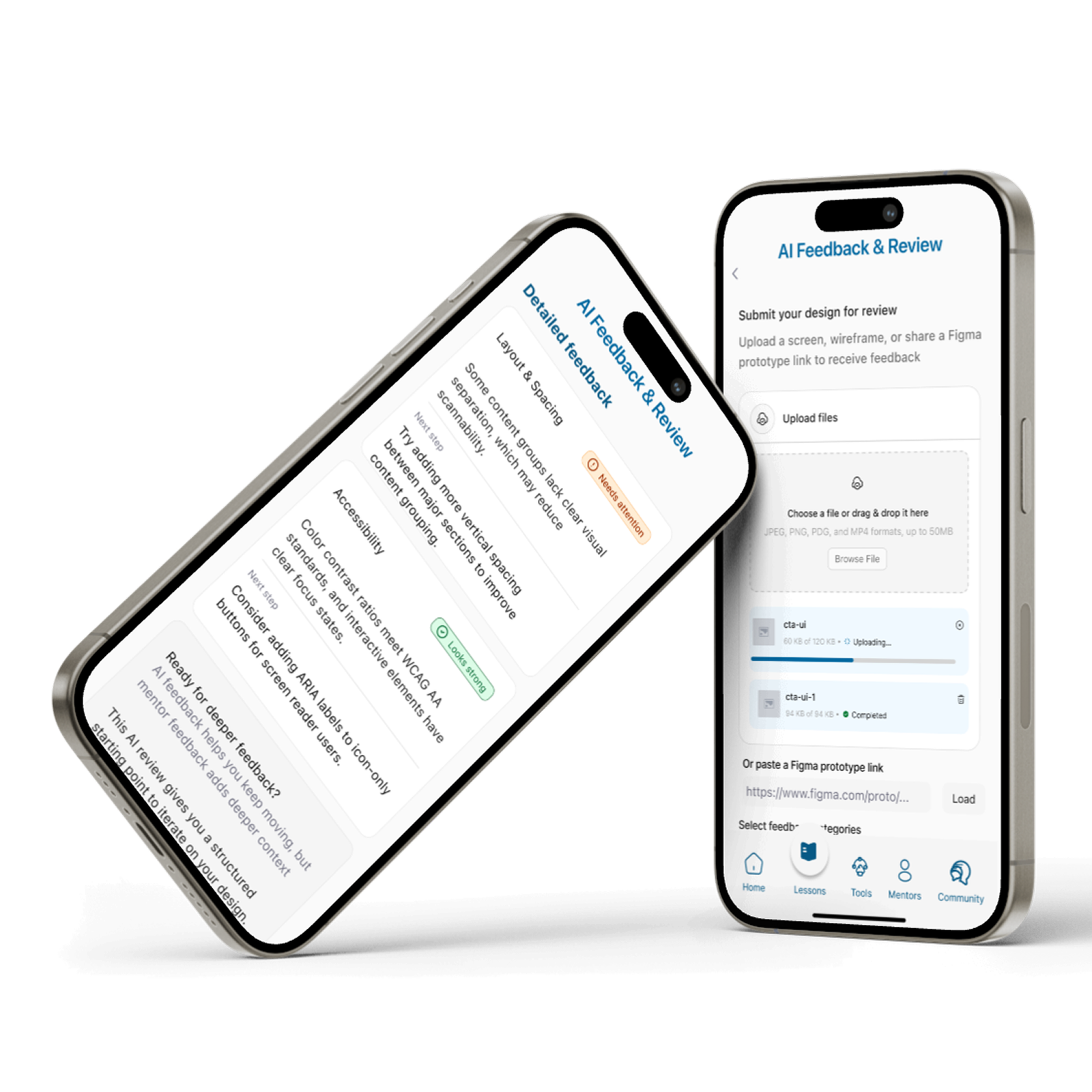
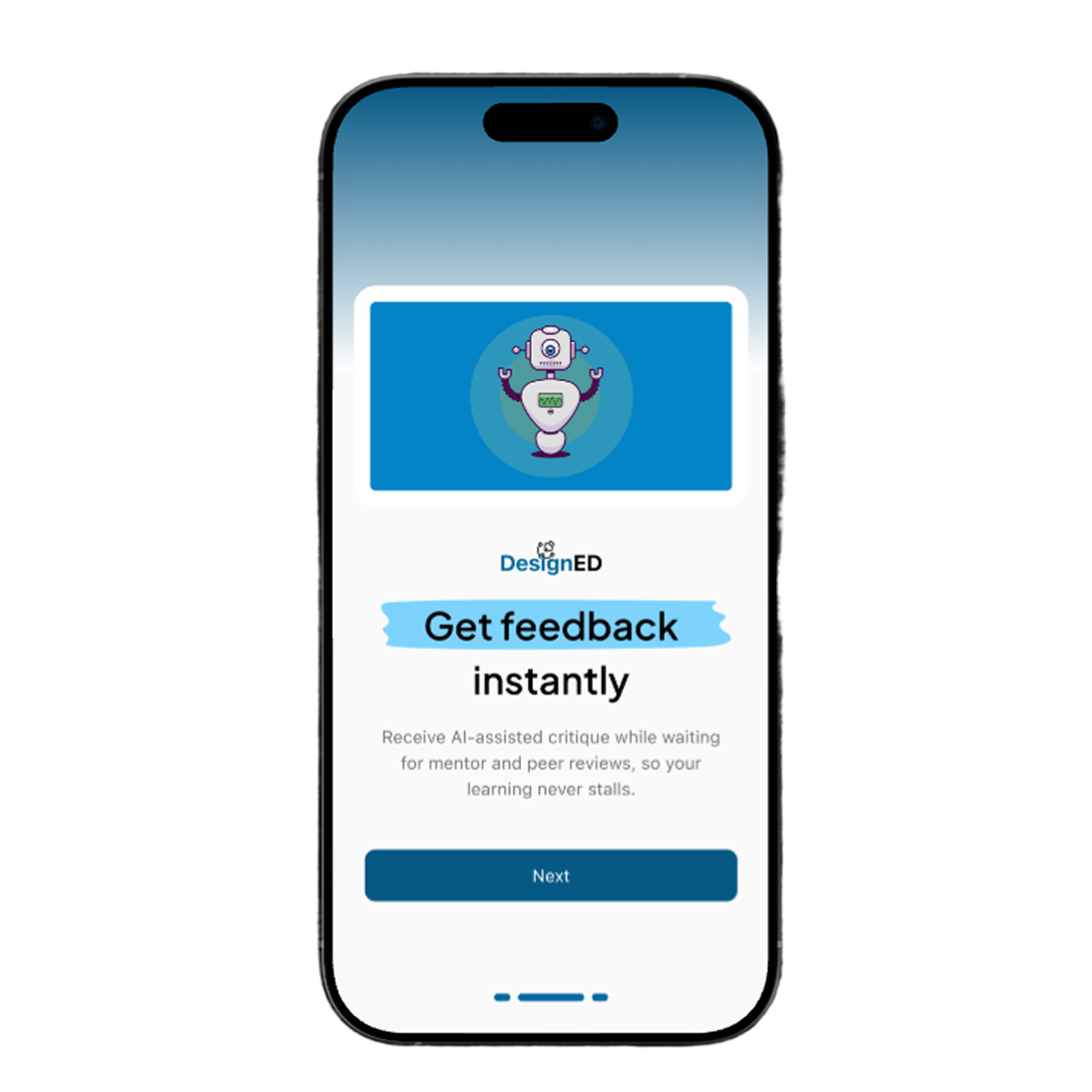
Rather than replacing mentors, I explored how AI could function as a first-pass critique system that helps learners maintain momentum between mentorship interactions.

Users can upload wireframes, interface designs, prototypes, and interaction flows to receive immediate feedback across accessibility, visual hierarchy, layout and spacing, interaction design, content clarity, design consistency, and usability.

The goal is not to provide final answers. The goal is to reduce feedback bottlenecks and help learners continue iterating.

This creates a layered feedback model where AI supports immediate improvement, community encourages discussion, and mentorship provides strategic guidance and professional expertise.

DesignED AI feedback review screen
Feature 03

Community & Collaboration

Learning design independently can often feel isolating.

Throughout my own journey, community spaces provided encouragement, accountability, and exposure to new perspectives.

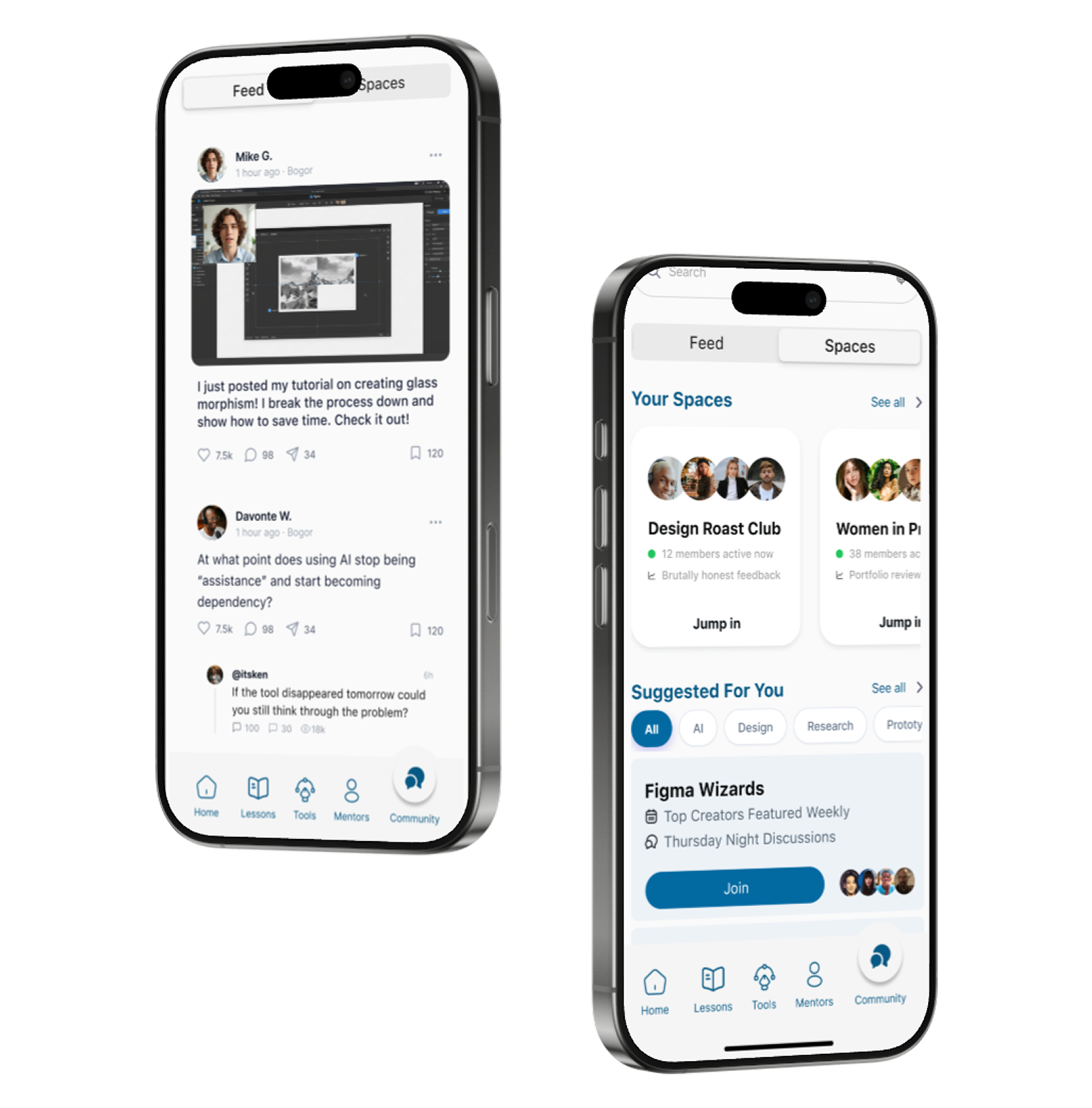
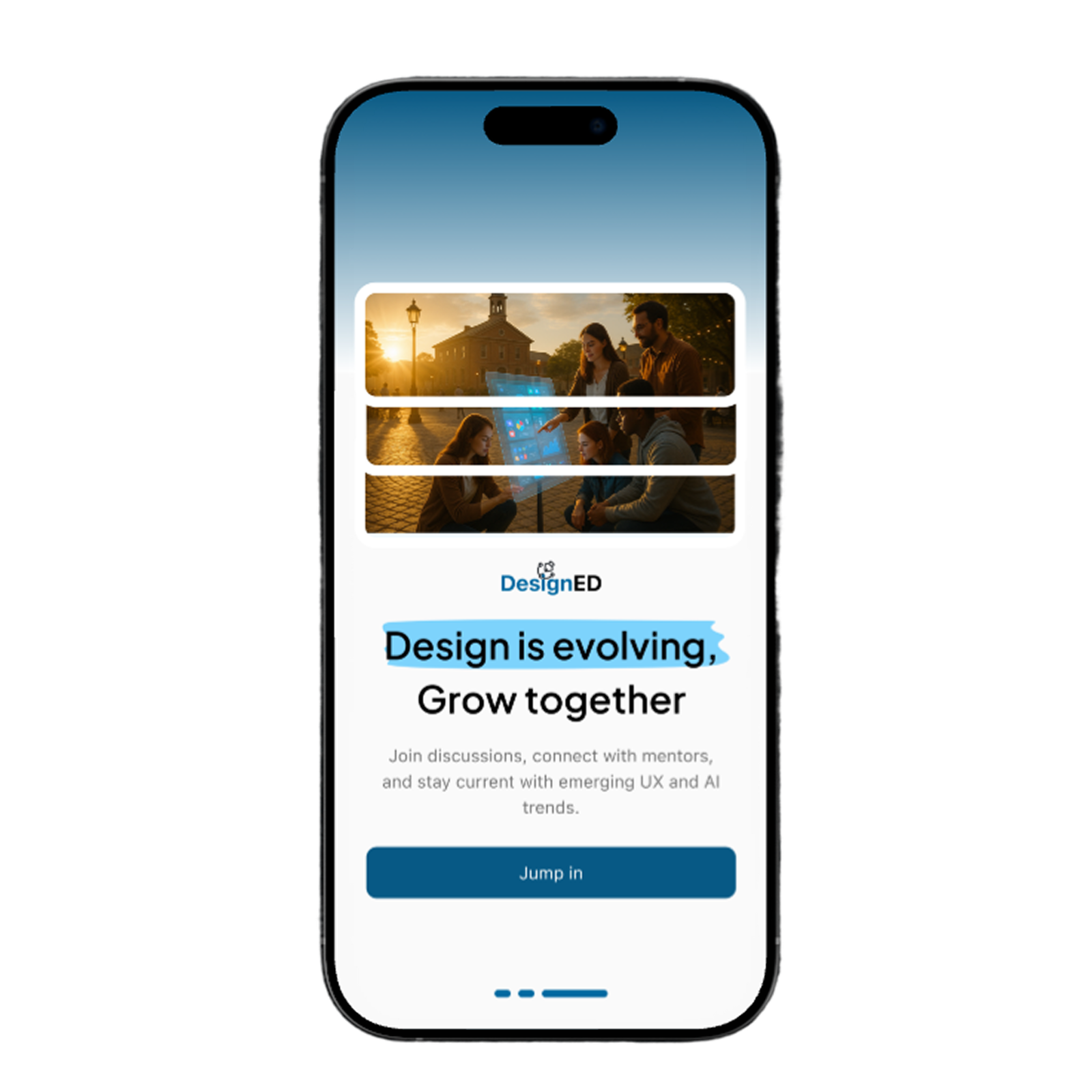
DesignED includes dedicated spaces for discussion, critiques, project sharing, AI conversations, and industry trends.

Rather than replicating traditional social media, the goal was to create an environment centered around professional growth and collaborative learning.

DesignED community and collaboration screen
Feature 04

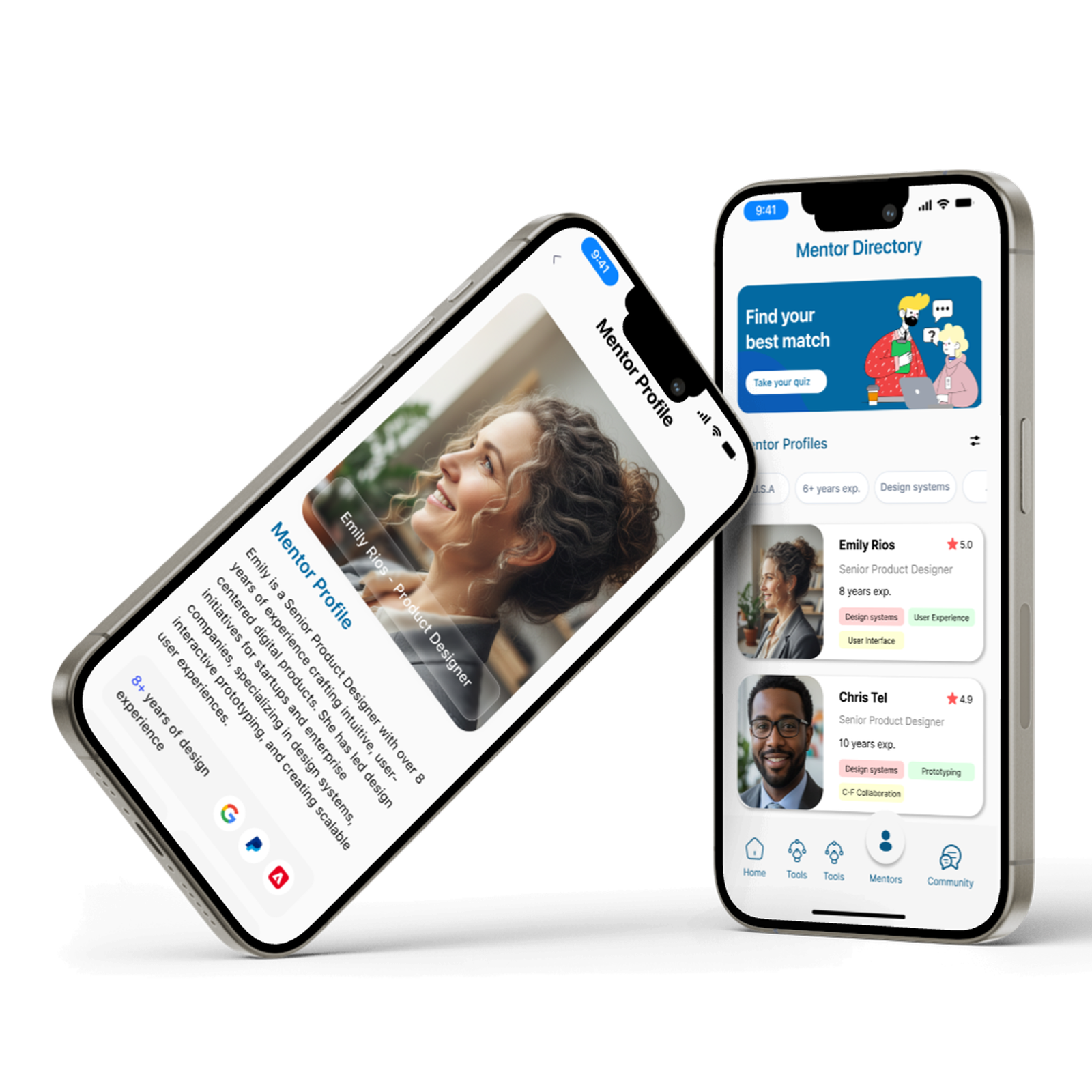
Mentor Directory

While exploring AI-assisted feedback systems, I wanted mentorship to remain a core part of the experience.

Human expertise provides context, professional experience, and nuanced guidance that AI cannot fully replicate.

DesignED includes a mentor directory where users can request portfolio reviews, ask career questions, schedule mentorship sessions, and receive deeper strategic feedback.

The goal is to create balance between immediate AI-assisted support and meaningful human mentorship.

DesignED mentor directory screen
Feature 05

Resource Hub

Many valuable learning resources are scattered across multiple platforms.

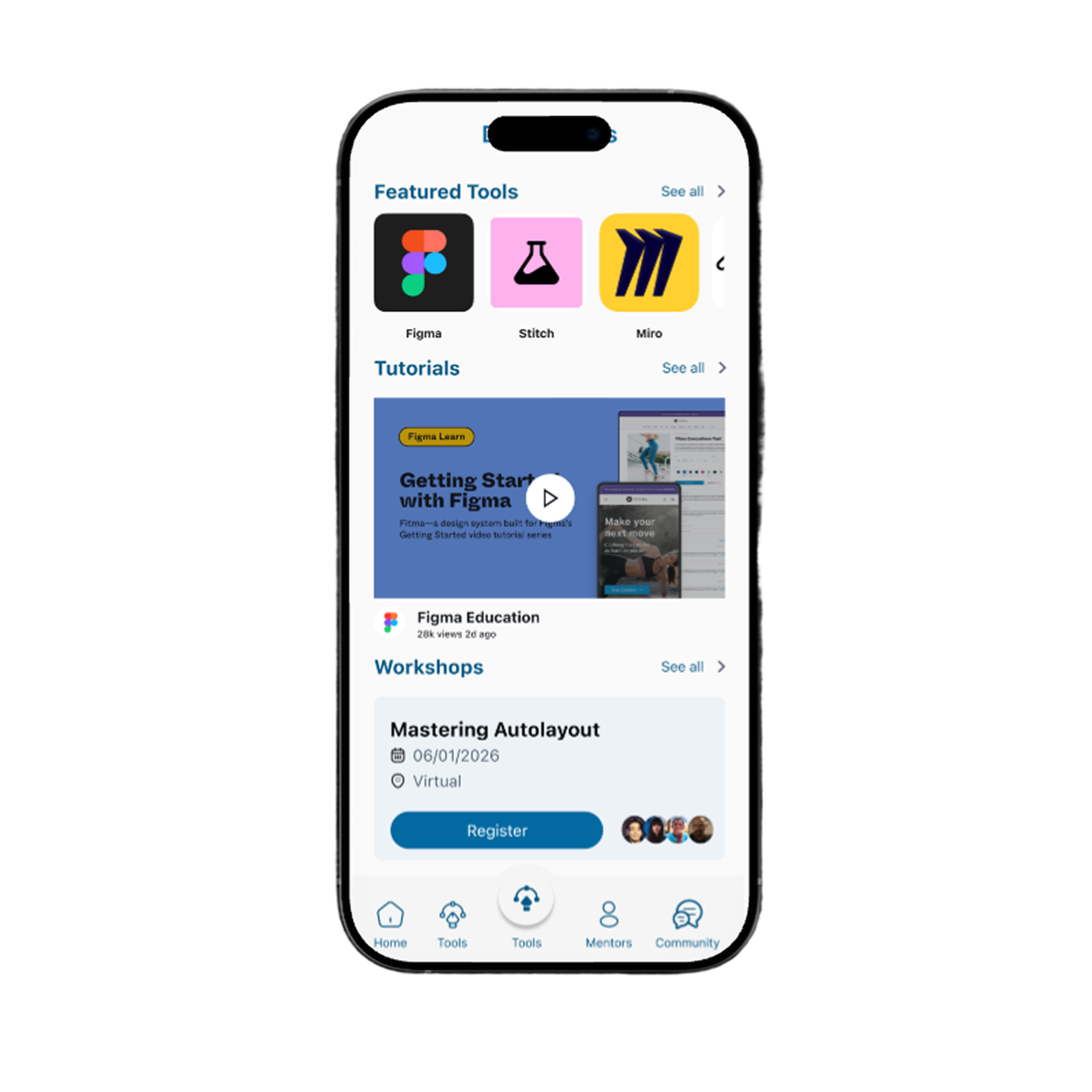
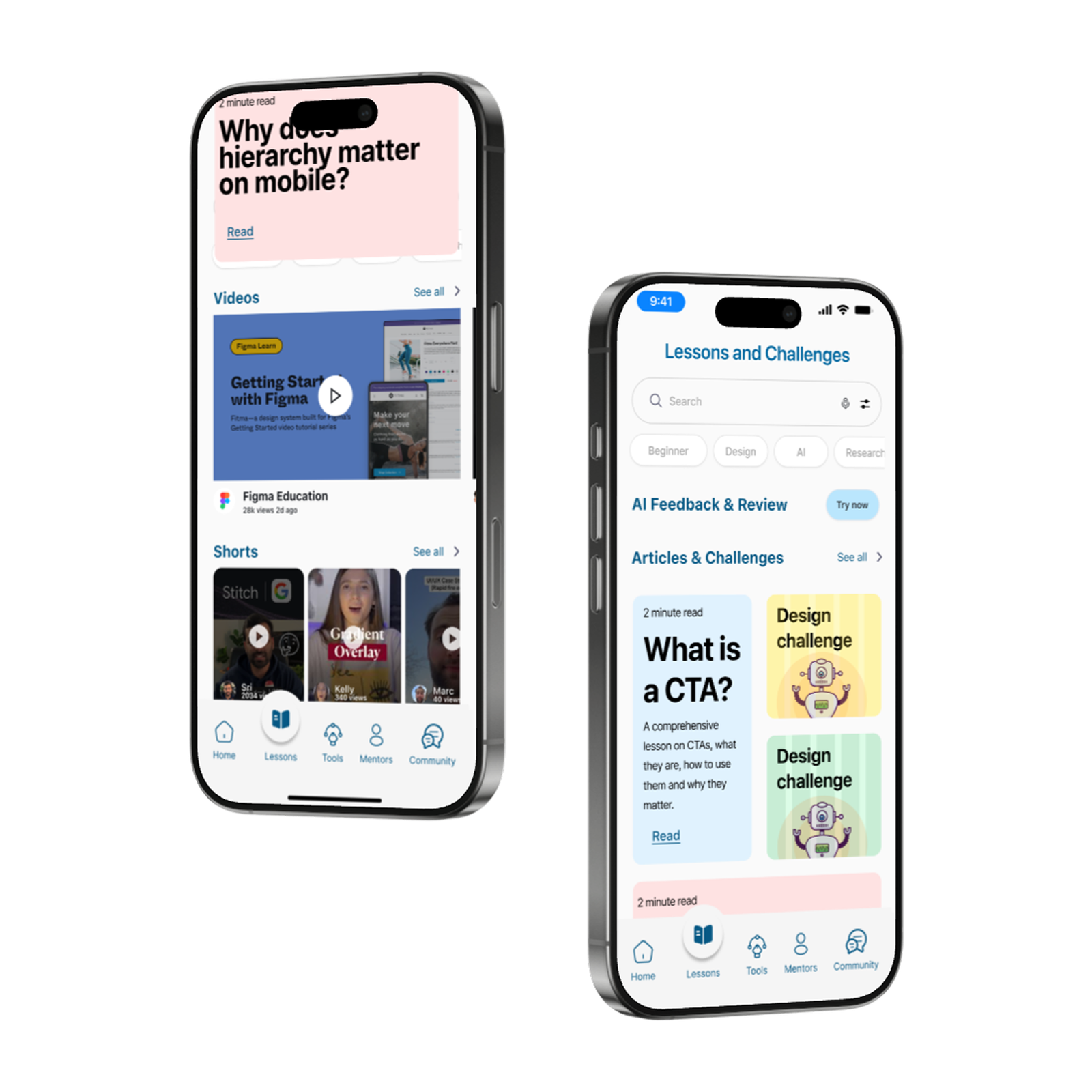
The Resource Hub centralizes tools, workshops, tutorials, industry events, learning materials, and AI workflow discussions into a single searchable experience.

Users can filter resources based on interests, goals, and areas of specialization, helping both new and experienced designers continue developing their skills.

DesignED resource hub screen

Responsible AI Design

Keeping AI supportive, transparent, and human-centered.

While designing the AI Feedback & Review experience, I explored broader questions surrounding trust, transparency, and human oversight within AI-assisted workflows.

Several principles guided the experience.

Human-in-the-Loop

Users can continue seeking mentorship and community feedback after receiving AI recommendations.

Transparency

AI feedback is positioned as guidance rather than objective truth.

Explainability

Recommendations are paired with reasoning and suggested next steps.

Learning Over Automation

The objective is not to generate solutions for users, but to help them think critically, identify issues, and improve through iteration.

These principles helped ensure that AI remained a supportive learning tool rather than a replacement for human expertise.

Iterations

From beginner learning app to continuous growth platform.

The project initially started as a gamified UX learning application focused primarily on beginners and career switchers.

As research and exploration progressed, I recognized a larger opportunity.

The challenges surrounding learning were not limited to entry-level education.

This realization shifted DesignED from a beginner-focused educational product into a broader exploration of continuous professional growth.

The project evolved from a traditional learning platform into a connected ecosystem that supports ongoing practice, feedback, mentorship, collaboration, and development.

Throughout the design process, I refined navigation structures, simplified community experiences, improved mentor discovery flows, and strengthened the overall information architecture to better support this vision.

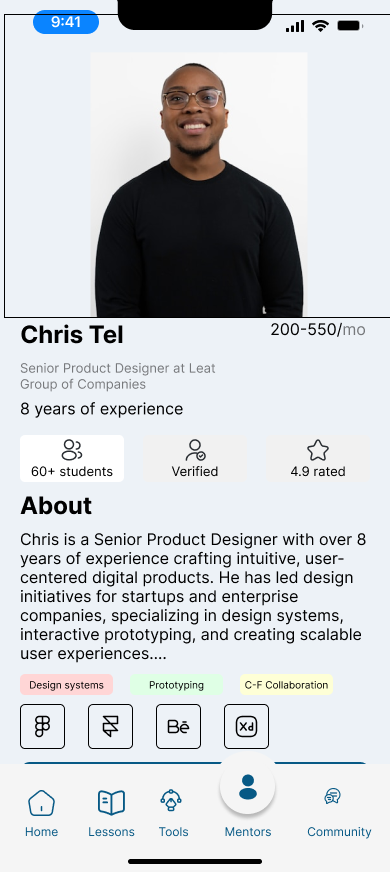
Early DesignED mentor directory iteration
Earlier mentor directory exploration before refining discovery and profile hierarchy.
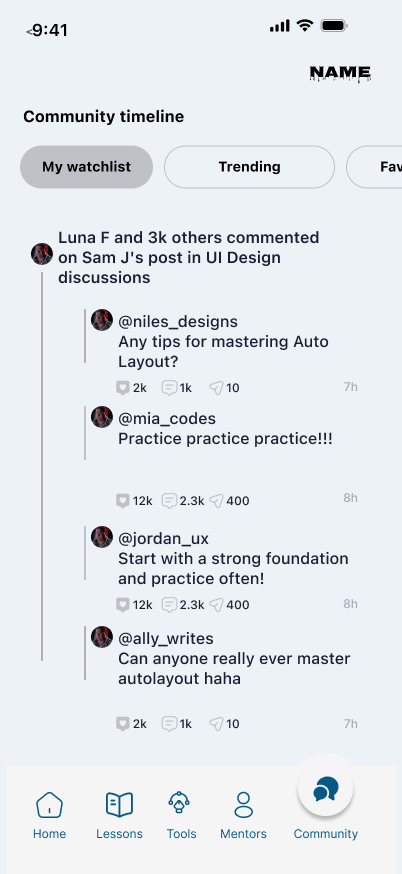
Early DesignED community screen iteration
Earlier community exploration before simplifying discussion discovery and navigation.

Design System

Building a scalable visual language.

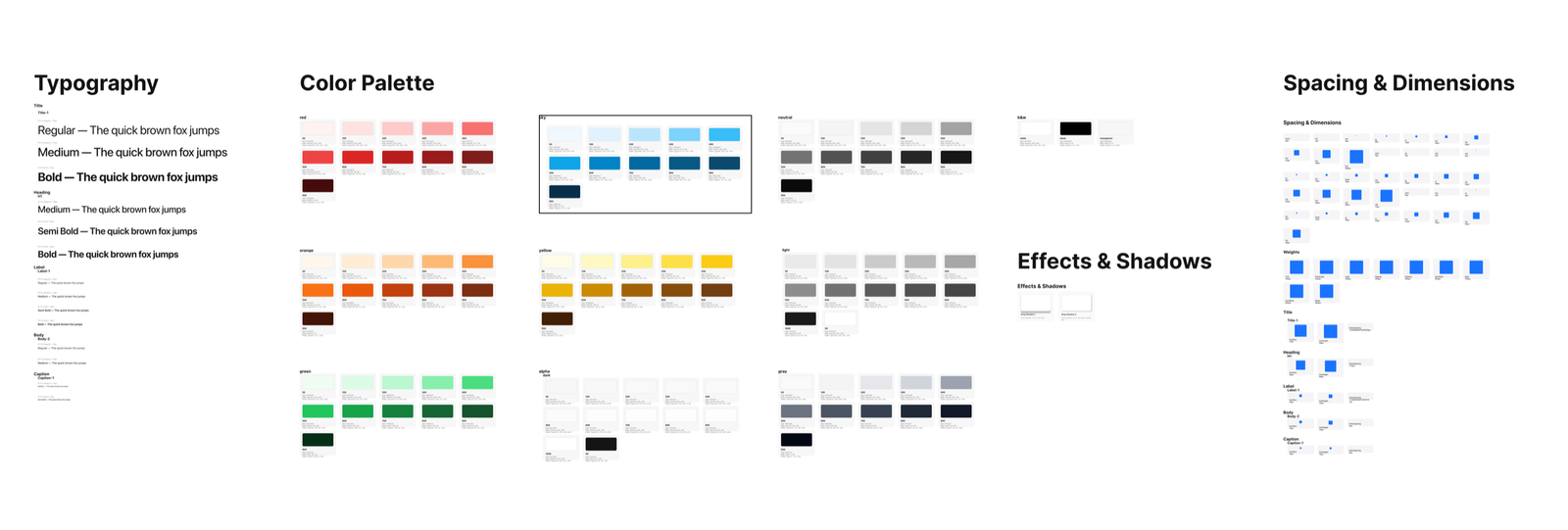
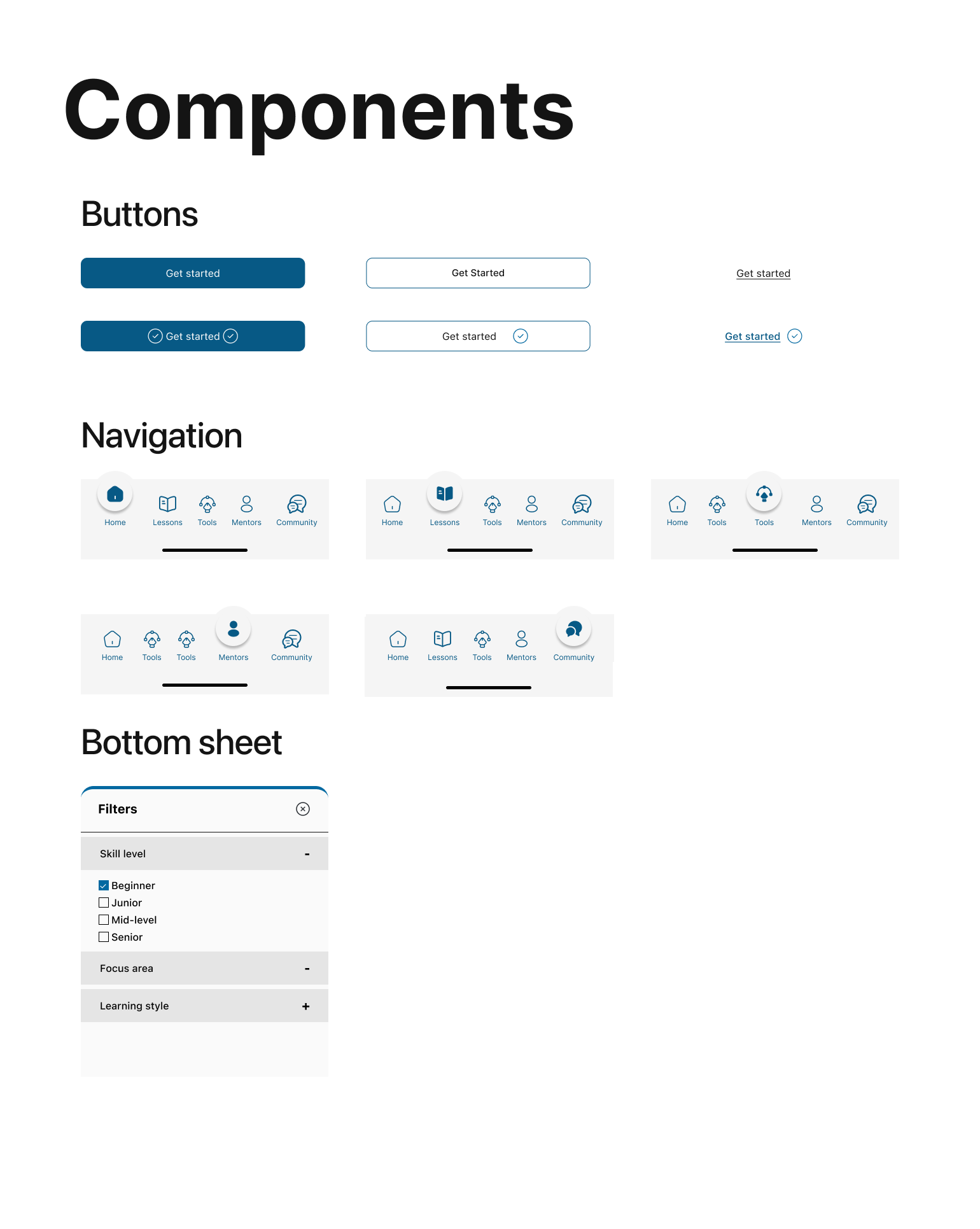
To maintain consistency across the platform, I developed a lightweight design system covering typography, spacing, navigation patterns, challenge cards, AI feedback states, reusable components, and interaction patterns.

The system helped create a cohesive experience while supporting future scalability.

DesignED design system guidelines
Design system guidelines and visual foundations.
DesignED component library
Component library for repeated product patterns.

Expected Impact

Supporting designers as the industry evolves.

DesignED explores a future where learning is not confined to courses, certifications, or onboarding programs.

By combining structured practice, AI-assisted feedback, mentorship, community learning, and curated resources, the platform creates a continuous growth ecosystem designed to help designers evolve alongside the industry itself.

The experience aims to:

  • Reduce feedback bottlenecks.
  • Encourage more iteration.
  • Increase learning consistency.
  • Strengthen mentorship engagement.
  • Support long-term professional development.

Reflection

What I learned.

This project strengthened my ability to design interconnected systems, think strategically about learning experiences, explore responsible AI-assisted workflows, and balance automation with human guidance.

More importantly, it challenged me to rethink what design education could look like in a rapidly changing industry.

What began as a gamified UX learning app evolved into a broader exploration of how designers continuously practice, receive feedback, collaborate, and adapt throughout their careers.

DesignED ultimately became less about learning UX and more about supporting lifelong growth in modern design practice.